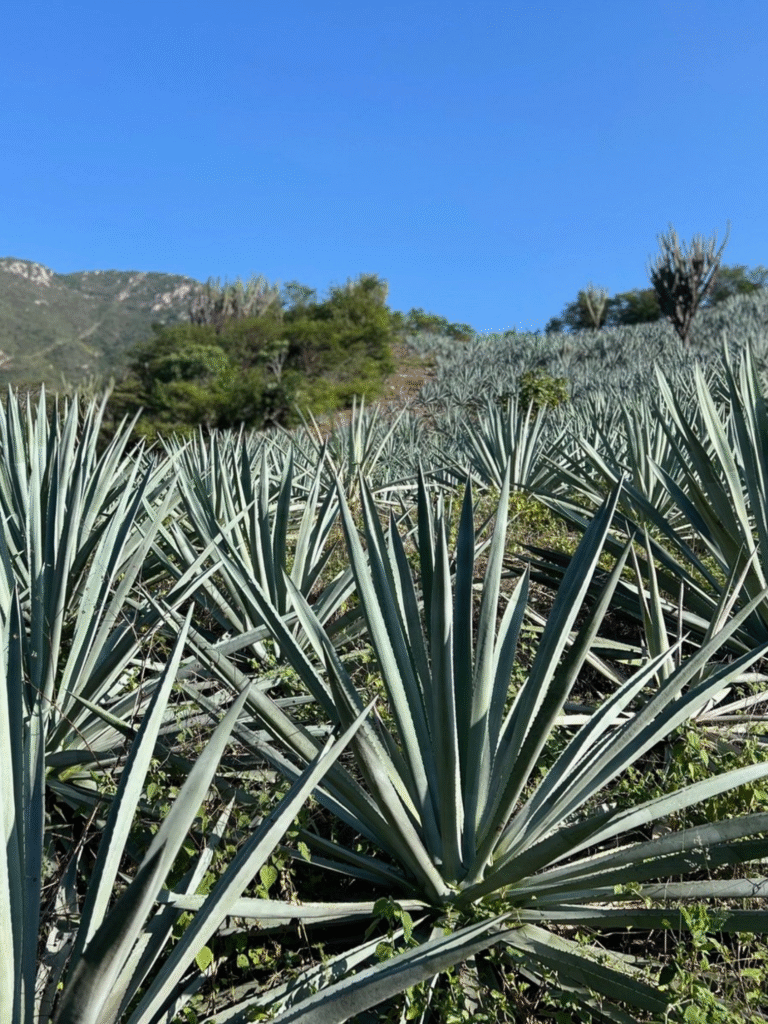
For generations, the Zapotec people have crafted mezcal—not just as a drink, but as a sacred tradition. It’s time to share our holy spirit with the world. Whether in moments of joy, sorrow, celebration, or even healing, mezcal has been at the heart of our culture, rooted in ancient wisdom and medicine. Now, we invite you to experience it with us
Our Story
We come from San Pedro Quiatoni, a Zapotec village nestled high in the mountains of Oaxaca, known as the village of the clouds.
There, life moves at the rhythm of the earth — people grow corn, beans, and agaves, and every harvest carries the wisdom of generations.
Like many of our people, we had to leave our land, chasing the American dream across the border. Yet, far from home, we learned to see our roots more clearly. We realized that the true treasure of our community — the ancestral art of making mezcal — was something the world needed to know.
That is how Mezcal Quiatoni was born: not just as a business, but as a bridge between worlds.
A tribute to our ancestors who taught us patience and respect for the land,
to our people who keep our traditions alive,
and to our culture, distilled drop by drop in every bottle.
Because Mezcal Quiatoni is more than a drink —
it’s heritage, it’s family,
it’s the spirit of the Zapotec people.
The Art of Making Mezcal in Oaxaca
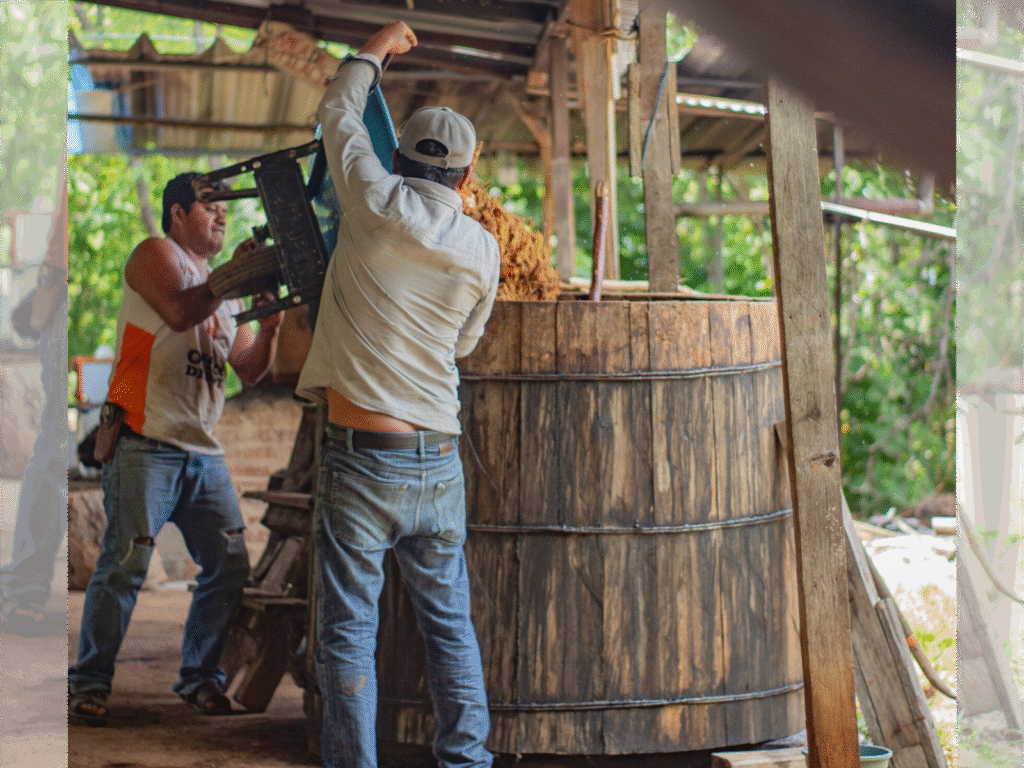
Making mezcal is not an easy task—it is an ancient tradition that the Zapotec people have carried on for centuries. More than a craft, it is a way of life, a means of sustaining families, and a living expression of culture.
Steps to make the Zapotec Mezcal
Production Process
Follow our time-honored seven-step process that transforms wild agave into liquid poetry.
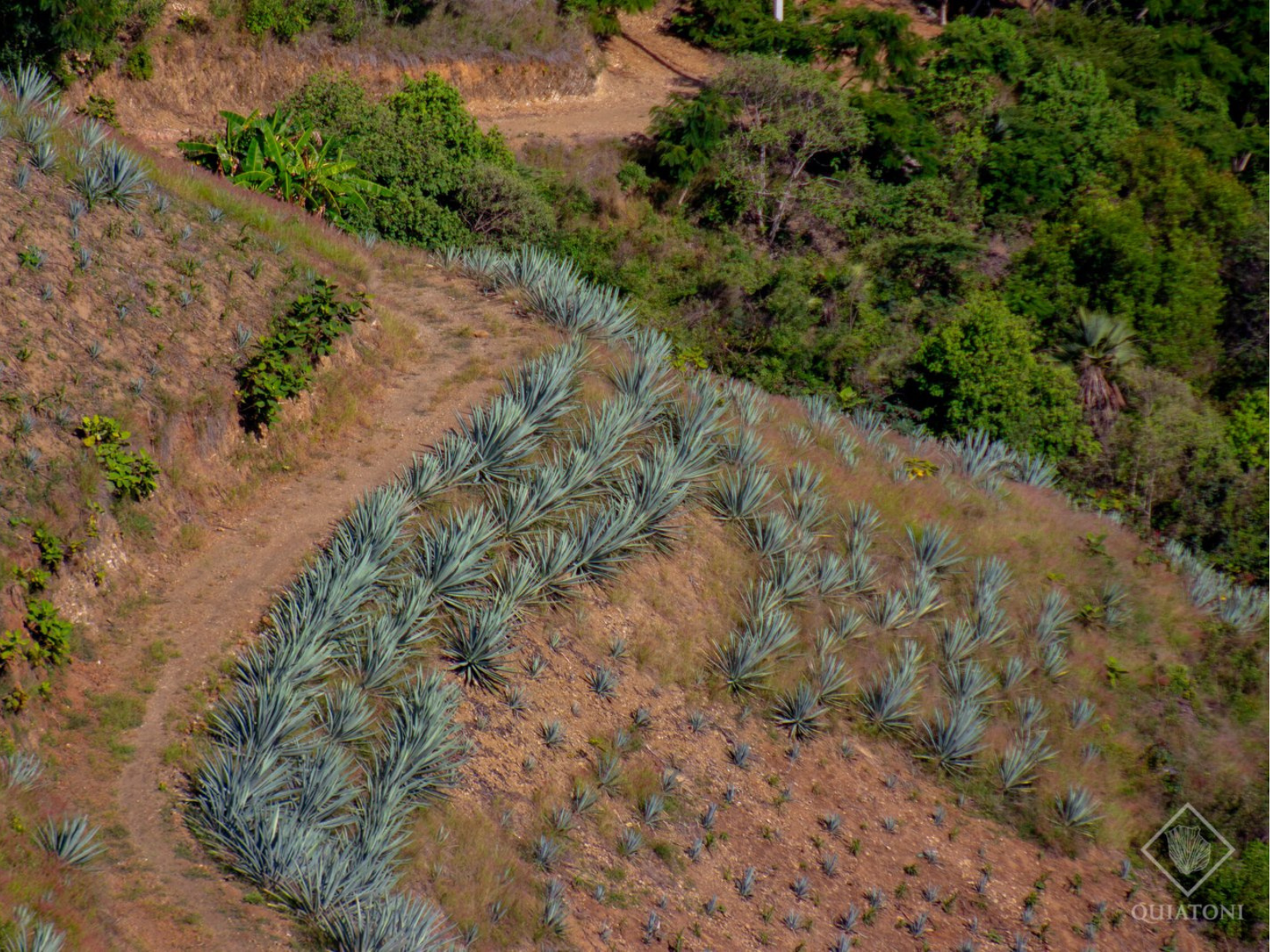
1. Cultivating the Agave
For the first year, the young plants are carefully nurtured in a controlled environment. Once strong enough, they are moved to the fields, where they will remain for 6 to 8 years.
 During this time, the plants are tended to with care, cleaned twice a year, and watched as they mature under the Oaxacan sun. Each season teaches us patience, as we witness the slow but steady growth.
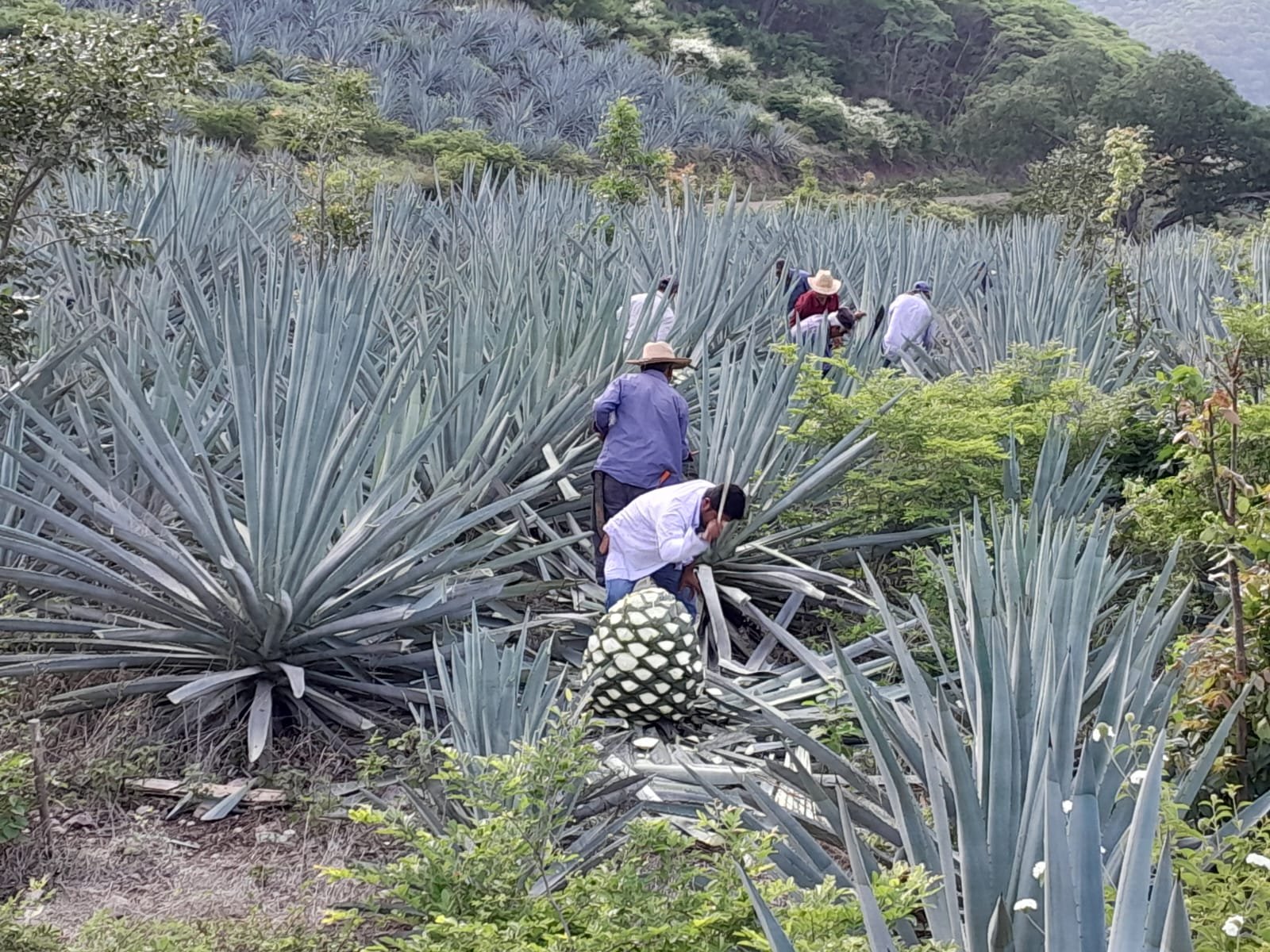
2. Harvesting (La Jima)
When the agave reaches maturity, skilled hands harvest the plant. The leaves are cut away, leaving the heart of the plant—the piña. This is the essence of mezcal. The piñas are then transported to the palenque (the distillery), where tradition and time converge.
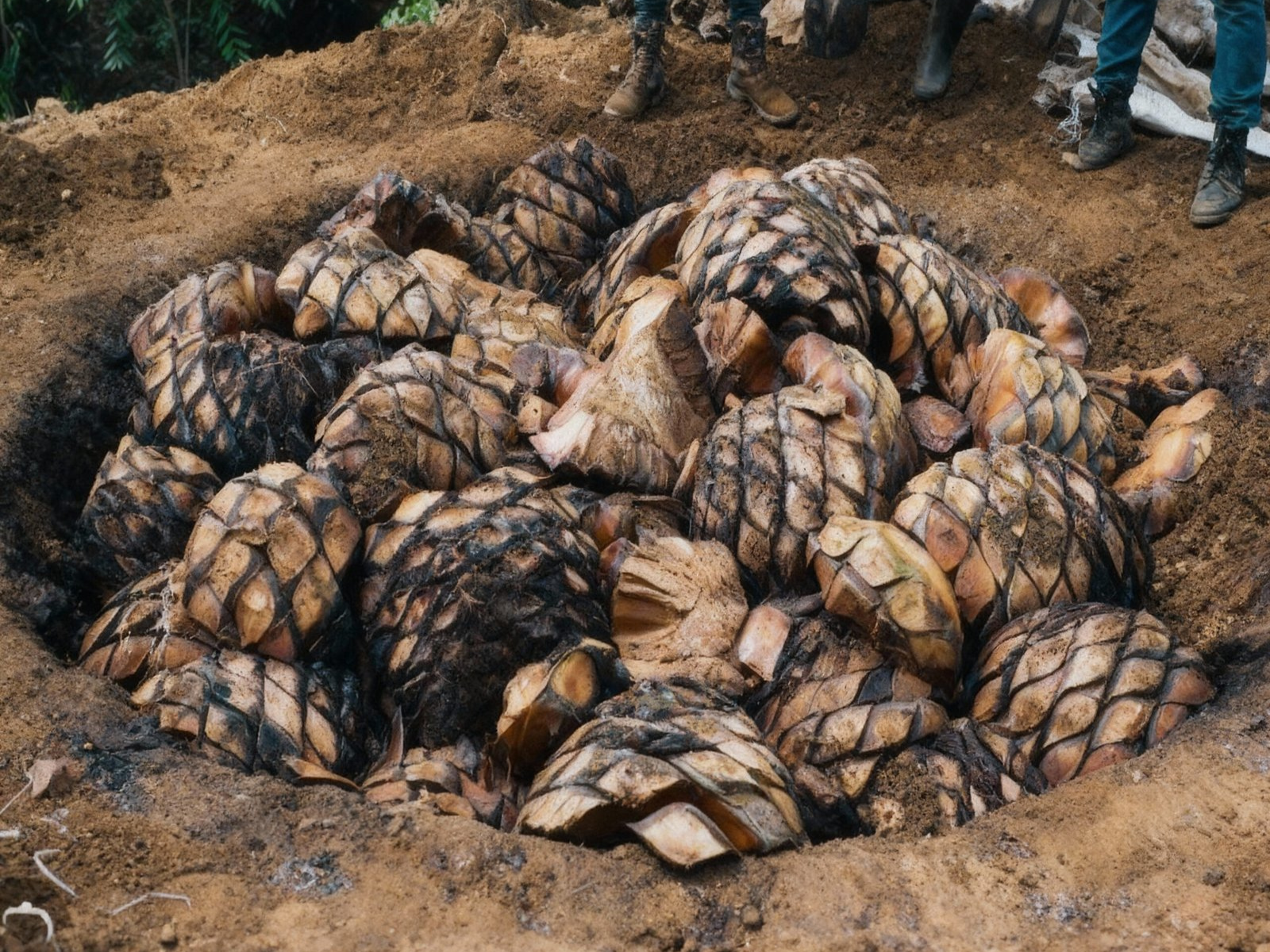
3. Cooking the Agave
In the palenque, the piñas are roasted in underground stone ovens fueled by wood. This cooking process, which takes several days, caramelizes the natural sugars of the agave, giving mezcal its signature smoky character.
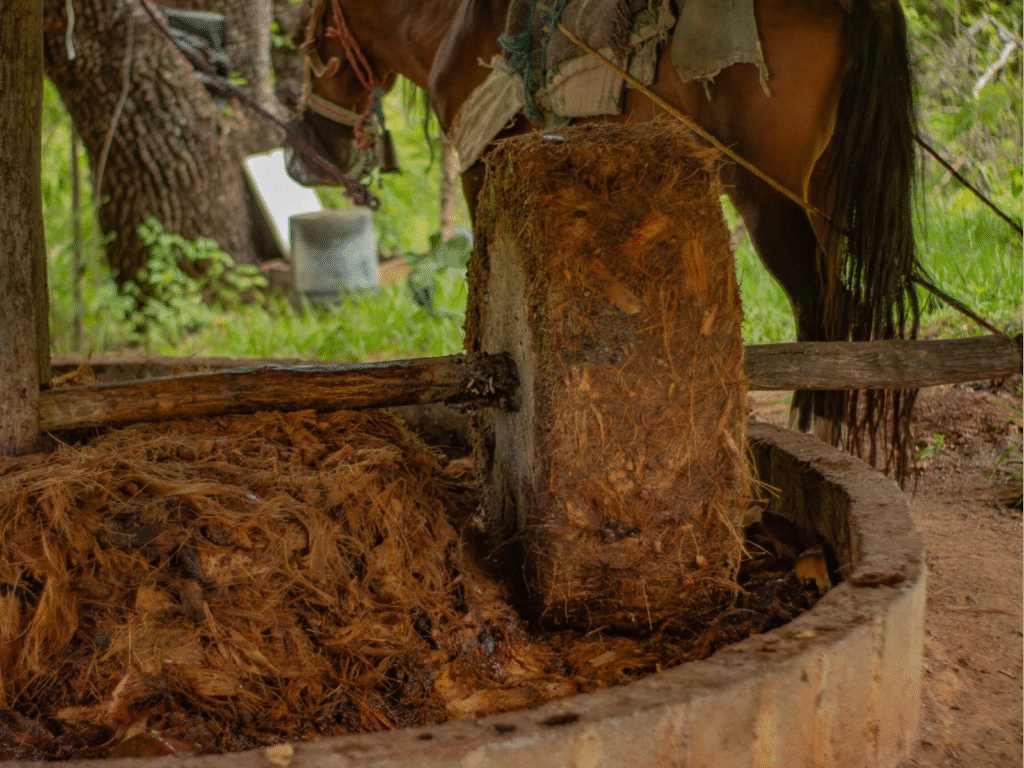
4. Grinding (La Molienda)
Once roasted, the softened piñas are crushed, traditionally using a stone wheel called a tahona, pulled by a horse. This step releases the sweet juices and fibers that will undergo fermentation.
5. Fermentation
The agave mash is placed in wooden vats where natural yeast begins the fermentation process. Over several days, the sugars convert into alcohol, guided only by time, temperature, and tradition.
6. Distillation
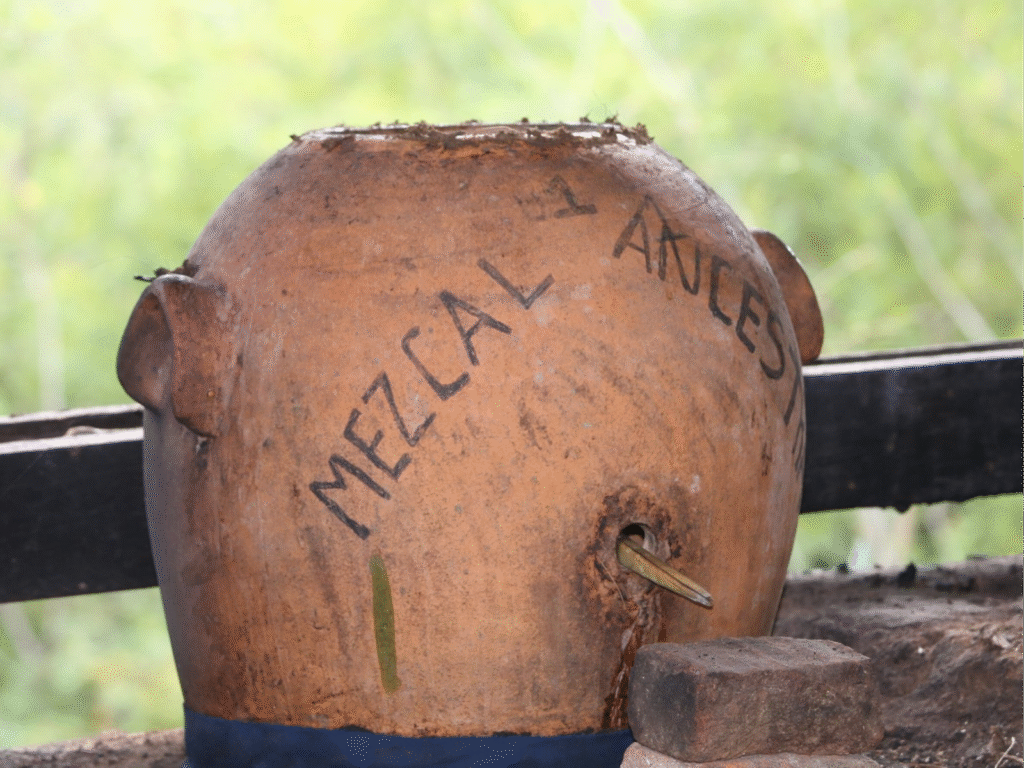
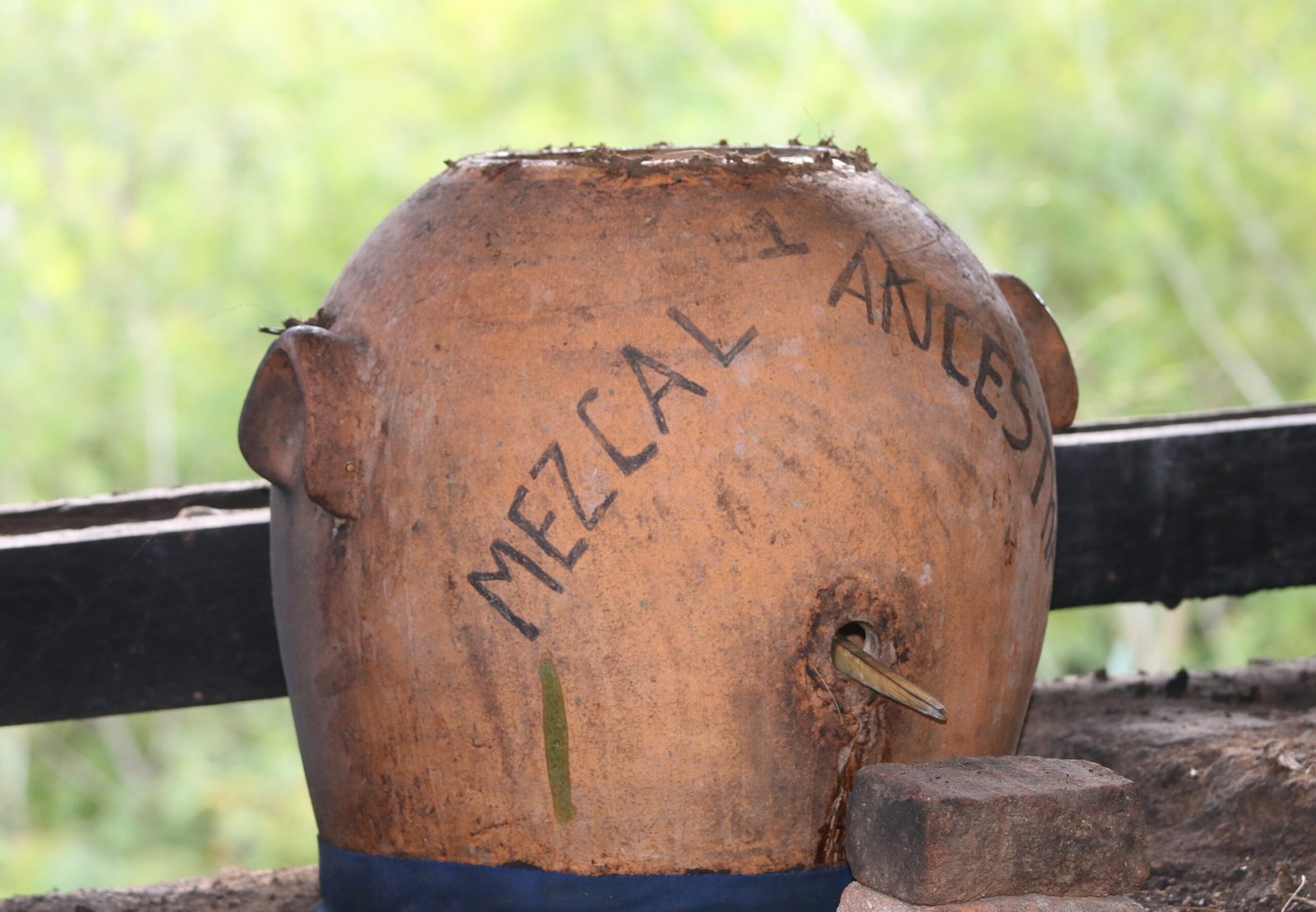
The fermented liquid is distilled—often in clay,since this is the ancestral process, in coper with the artisanal process. Distillation refines the spirit, capturing the pure essence of the agave. Typically, mezcal is distilled twice to achieve balance, clarity, and flavor.
7. Bottling Tradition
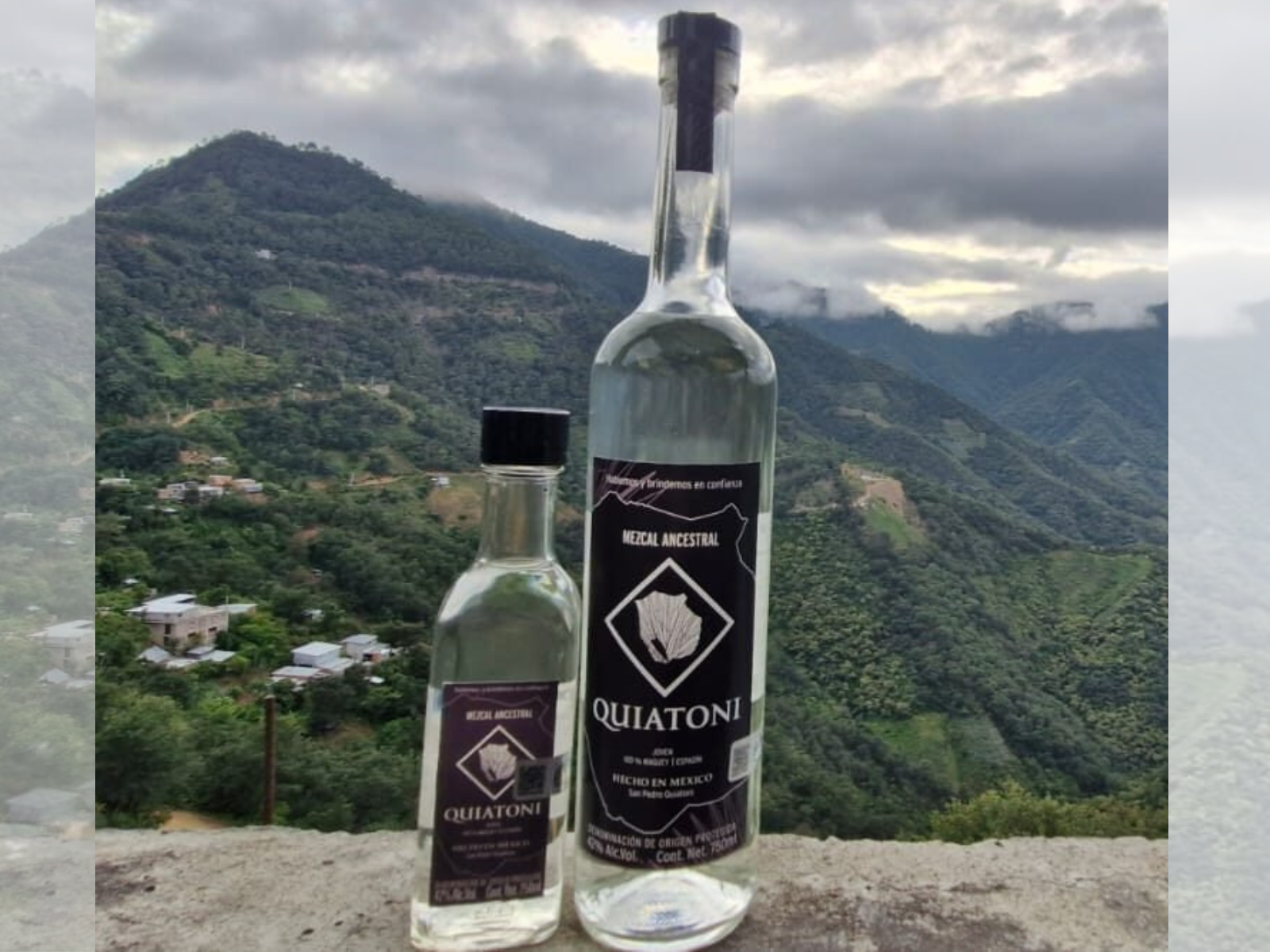
The result is more than just a spirit. Each bottle of mezcal is a reflection of heritage, patience, and respect for the land. It carries with it the flavors of Oaxaca, the wisdom of generations, and the soul of the Zapotec people.
Diference Between Mezcal Y Tequila
If you love tequila, let us introduce you to its smoky, more complex cousin—mezcal. While tequila is made only from Blue Weber Agave and steamed in industrial ovens, mezcal is crafted from a variety of wild and cultivated agaves, slow-roasted in underground pit ovens, giving it its signature smoky flavor. Each batch of mezcal is an artisanal creation, made using centuries-old traditions that capture the essence of Oaxaca. Unlike mass-produced tequila, mezcal offers a deeper, more diverse tasting experience, with earthy, fruity, and even floral notes depending on the agave and region. If you’re looking for a spirit with soul, history, and bold character, mezcal is the drink for you. Try it neat, sip it slowly, and taste the difference.
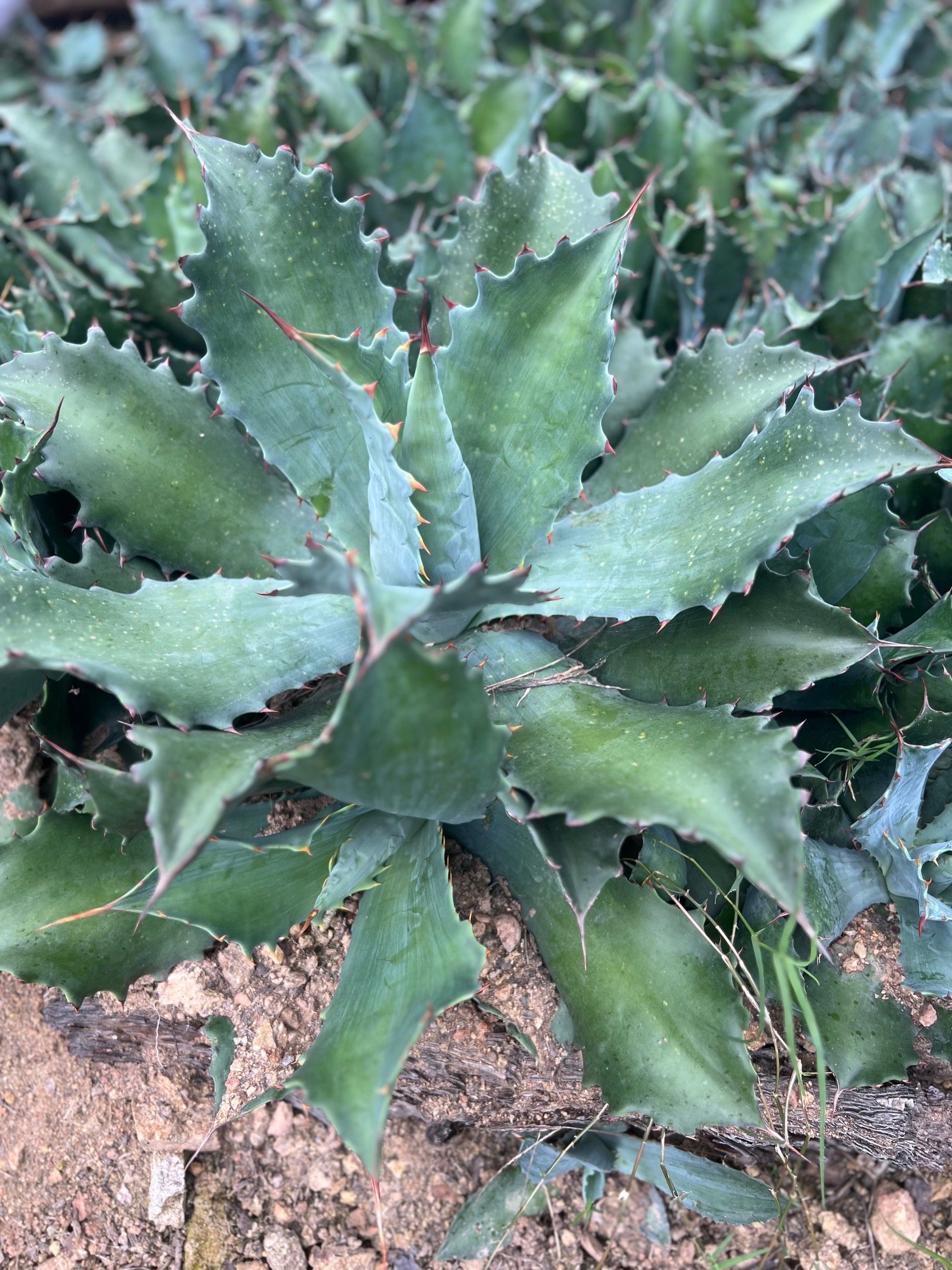
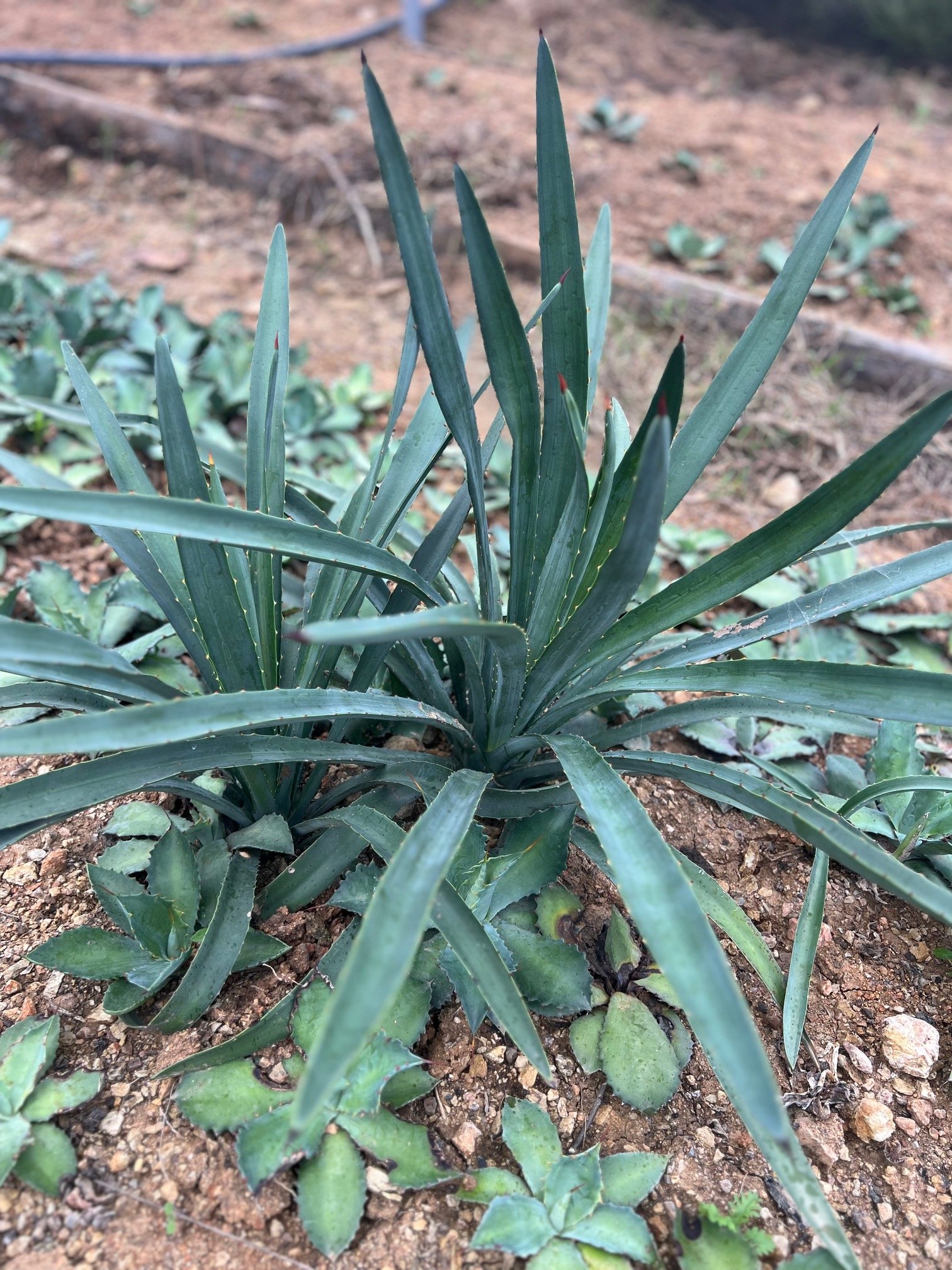
Types of agaves
espadin
tobala
tepestate
Quiatoni
Durante generaciones, el pueblo zapoteca ha elaborado mezcal, no solo como una bebida, sino como una tradición sagrada. Es hora de compartir nuestra esencia con el mundo. En momentos de alegrÃa, tristeza, celebración o incluso sanación, el mezcal ha estado en el corazón de nuestra cultura, arraigado en la sabidurÃa y la medicina ancestrales. Ahora, te invitamos a vivirlo con nosotros.